

How AI Changes the Business Model of a Financial Adviser
Could AI just save you a bit of time, or could it completely change the economics of a UK financial advice firm? I recently completed an AI Transition…
Read articleAI note-takers, CRM integrations, content tools - each one touches client data in ways your compliance team may not fully understand. Does your compliance officer know whether that tool sends data to a US server? Whether it's used to train the underlying model? These are real decisions with real UK GDPR implications, and most firms are making them without the technical knowledge.
Both extremes cost you. Staff using unsanctioned AI tools create liability you can't see - because nobody's checked what those tools do with client data or whether they're appropriate in a regulated context. Staff refusing to adopt anything means you're falling behind a widening capability gap and paying for it in time. Neither problem resolves itself without a deliberate adoption strategy.
"Is AI replacing my adviser?" is already coming up in review meetings - and it deserves a better answer than "we're looking into it." Firms without a clear, considered client narrative are losing trust at the most critical moment in the relationship. The advisers getting this right aren't just using AI more efficiently. They're using it as evidence that the service is evolving in the client's interest.
I've spent over a decade working with UK financial advice firms on the intersection of technology and practice management. I know where time gets lost, which AI tools create compliance exposure nobody in the firm spotted and how to implement change in a way the whole team (including the compliance function) can feel confident about.
I'm not a compliance officer; I'm the bridge between your technology decisions and the people responsible for compliance. I translate what AI tools actually do under the hood into something your compliance team or consultant can act on. That's a very different conversation from the one most vendors have with you.
Ultimately, I help advisers transition to the AI-Powered, Human-First model - integrating AI into the practice in a compliant, efficient and genuinely mindful way. The end goals are to lift team productivity, improve staff retention, raise client satisfaction and protect the firm (both its regulatory shield and its bottom line). It's also the premise of the book I'm in the process of finishing writing.
I work with a deliberately small number of UK firms - so every client gets genuine strategic depth, direct access and a consultant who stays involved throughout.
About PhilipNot sure whether an AI idea has legs? This structured assessment gives you a clear, written answer before you commit to anything. You describe what you're trying to achieve - whether that's a specific build or a broader question about where to start — and within a few days you get a one-page viability report covering technical feasibility, estimated investment and the recommended next step. Designed so you get genuine value even if you go no further.
Knowing AI matters is one thing. Knowing what to prioritise - and in what order - is considerably harder. This engagement takes your current position and turns it into a sequenced, written plan covering compliance, infrastructure, staff adoption and client communication. A written document you own and can execute against immediately, with or without continuing to work together.
Scoped implementation work connecting the platforms in your stack - Fundment, Plannr, cash flow modellers, compliance tools, business messaging. Every project has a defined deliverable: a working integration, an automated workflow, a configured tool. Whether it's a single focused build or a multi-workflow project on shared infrastructure, you get a fixed price before work begins.
For firms that want continuous access to AI strategy guidance and hands-on technical support and implementation after the initial build. This isn't a support contract - it's ongoing build work and consultancy at a sustainable pace, working through your roadmap month by month whilst keeping everything that's already been built running and optimised.
I helped First Wealth, an independent UK financial planning firm, choose which AI models to trust across their advice and operations — testing ten models against eight of their workflows, scoring every output and wiring the chosen platforms into their n8n setup in a GDPR-compliant way.
Read the case studyJust released
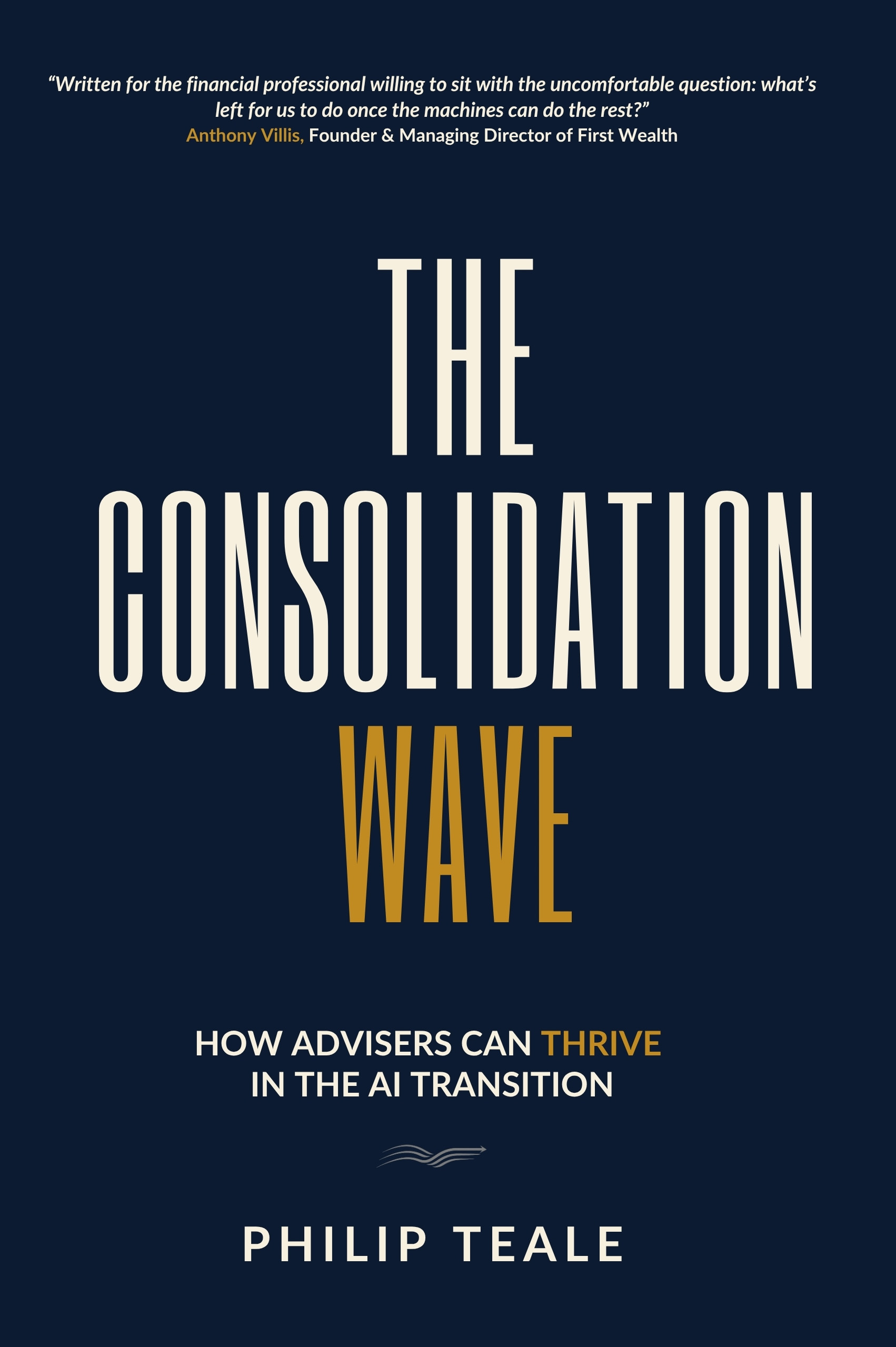
After a decade working with advice firms across the UK, Asia and beyond, I've written the guide I wish every financial adviser had in their hands right now during the Great AI Transition.
The Consolidation Wave maps out what AI is actually doing to the advice profession, what it means for fees, your team and your client relationships - and precisely how to come out the other side with a stronger, more valuable practice.
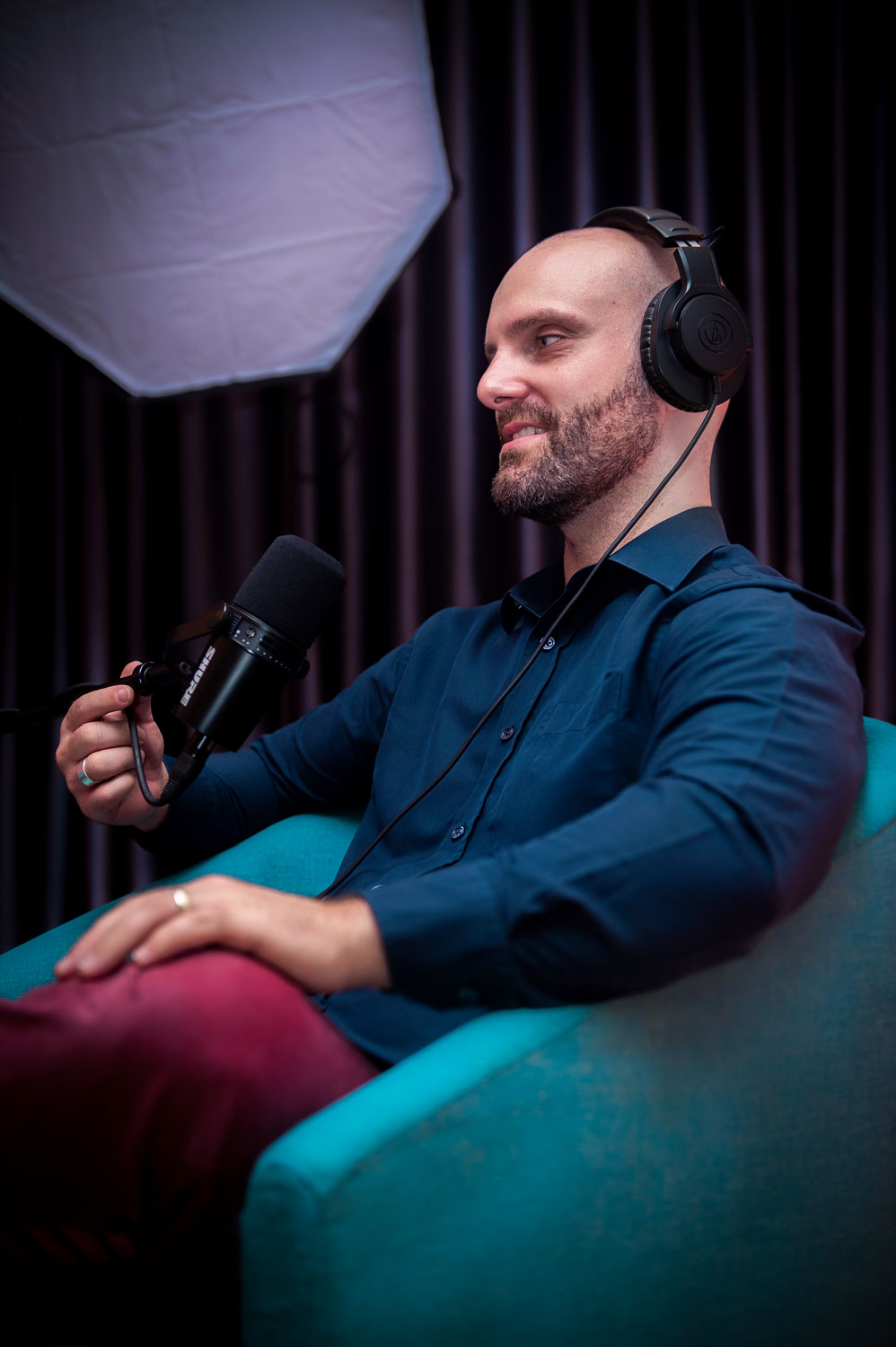
"I've had a conversation with a guy called Philip Teale. Excellent, really brilliant. He operates at that intersection of financial planning and AI"
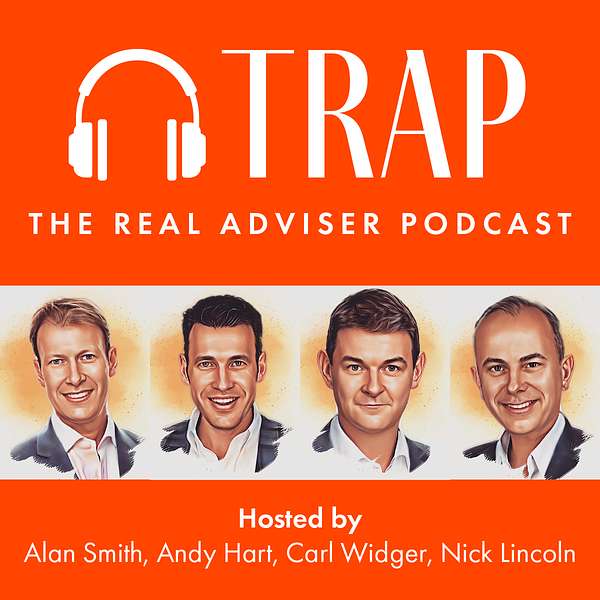
Andy Hart and Alan Smith also gave a nod to Philip's book, The Consolidation Wave, on the same episode - "I've read it. It's good. It's worth reading"
Listen to the episode →
Could AI just save you a bit of time, or could it completely change the economics of a UK financial advice firm? I recently completed an AI Transition…
Read article
I work closely with AI tools for advice firms. And, even when doing this for a living – working day in, day out – I’m still discovering something…
Read article
Last week, an adviser confided in me that he personally knew of several UK advisers uploading client fact finds straight into ChatGPT. No clear AI governance plan. No…
Read articleAI Transition Adviser for Financial Advisers
Ten years working inside and alongside hundreds of financial advice firms gives me a specific vantage point: I've seen where advisers waste time, where they carry compliance risk they don't know about and where the right technology makes a decisive difference.
The Great AI Transition is the biggest operational shift the profession has faced. I help firms navigate it without the guesswork - with a clear plan, the right tools and a model that works for clients and staff alike.
Read my storyEvery engagement starts with a conversation. Let's talk about where AI fits your firm — before committing to anything further.
Let's Talk