
Just this month, I watched a brilliant founder lose a five-figure deal because he went silent for six weeks during tax year end.
The prospect had downloaded his guide, attended two sales calls and opened every email. Then nothing. By the time ths founder surfaced for air in March, the prospect had signed with a competitor who’d simply stayed visible.
This was me. Before I’d refined my automation sequences. And I regret it.
In my decade working with UK advisory firms, I’ve seen the same pattern repeat itself: talented planners creating exceptional content, then vanishing the moment client deadlines hit. You’re either nurturing leads or serving clients, never both.
The cost isn’t just lost prospects. It’s the constant stress of knowing your pipeline is drying up whilst you’re doing the actual financial planning work. It’s watching smaller firms with worse content outperform you simply because they maintain consistent visibility.
Manual marketing doesn’t scale. You already know this. But most advisers I speak to haven’t made the shift because they think automation means generic, impersonal blasts that damage their reputation.
Key Takeaways
- Marketing automation maintains consistent prospect visibility during your busiest periods without adding headcount
- Strategic workflows deliver personalised content based on prospect behaviour, not generic newsletters
- Integration with existing CRM systems (Intelliflo, Xplan) creates intelligent, triggered communications tied to client life events
- The right automation stack reduces decision fatigue and nurtures leads through the trust-building journey whilst you focus on planning work
Understanding Financial Adviser Marketing Automation
Marketing automation for financial advisers is about maintaining consistent, personalised visibility with prospects whilst you’re serving existing clients – using intelligent systems that deliver the right content at precisely the right moment in someone’s decision journey.
What is Financial Adviser Marketing Automation and Why It Matters?
Marketing automation for financial advisers isn’t about replacing your judgement with software. It’s about systematically connecting the right content to the right prospect at the right moment, without manually sending every email or scheduling every blog post.
I’ve spent a decade watching talented advisers lose opportunities because they couldn’t maintain consistent visibility. You publish a brilliant pension transfer guide in January, then go silent for three months whilst dealing with client reviews.
Here’s what automation actually does: it takes the content you’ve already created and distributes it strategically across email sequences, social platforms and your website. When a prospect downloads your retirement planning checklist, the system automatically sends follow-up resources over the next 4-6 weeks.
This is so powerful, because it lets you build trust with potential clients “in your orbit” even whilst you’re in client meetings.
That’s not lazy marketing. That’s leveraging technology so your expertise reaches more people without burning out your small team.
Transformative Benefits: Creating an Always-On Marketing Engine
Marketing automation doesn’t just save you time. It fundamentally changes how your firm shows up in the market.
I’ve seen this transformation firsthand with advisers running 5-person firms. Before automation, they’d post sporadically, miss follow-ups and go silent during busy periods. Prospects would vanish.
But with an always-on system, you’re nurturing leads at 2am without lifting a finger. Your CRM triggers personalised email sequences based on client actions. Your content library automatically surfaces relevant whitepapers when prospects hit your website.
The result? You’re building trust across multiple touchpoints whilst you’re actually doing financial planning work.
I’m not talking about flooding inboxes with generic newsletters. I’m saying you can create intelligent workflows that deliver the right message, to the right prospect, at precisely the right moment in their decision journey.
That’s how a boutique wealth manager competes with the big wirehouses in 2026.
Strategic Implementation: Nurturing Leads and Driving Engagement
Effective lead nurture automation starts with behavioural segmentation and triggered workflows, not broadcast emails. Tag prospects based on their entry point, build simple drip sequences for each segment (3-5 emails over 30 days), and use automation to trigger personalised follow-ups when prospects signal buying intent through their actions.
Practical Steps for Automated Lead Nurture for IFAs
Here’s what I’ve seen work so far in 2026 for advisers who want to nurture leads without adding another full-time hire:
- Start with segmentation. Tag prospects based on their entry point (pension transfer enquiry versus ISA download). Your CRM already holds this data.
- Build a simple drip sequence for each segment. Three to five emails over 30 days, mixing education with soft invitations to book.
- Use automation to trigger follow-ups based on behaviour. If someone opens your retirement planning guide three times, that’s a signal. Send a personalised video or case study next.
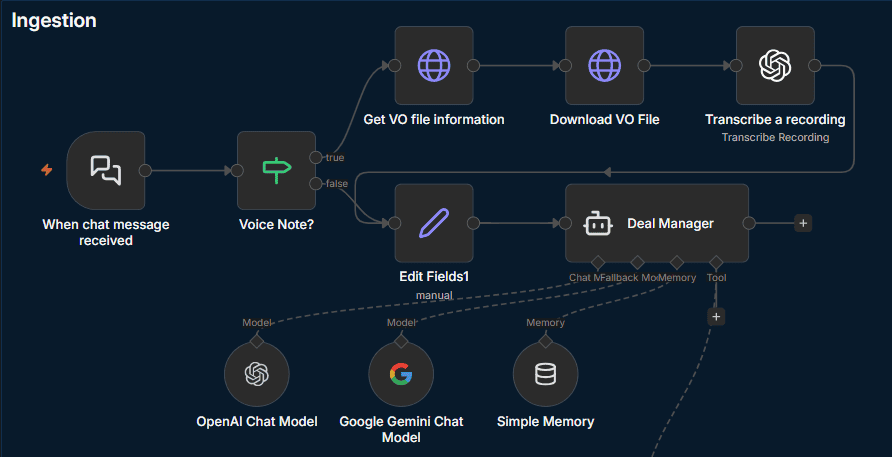
The goal isn’t to replace your human touch. It’s to ensure no lead goes cold whilst you’re serving existing clients.
An adviser can even double their conversion rates simply by staying present between initial contact and first meeting.
Future-Proofing Your Practice: Tools for Scalable Growth
The right marketing automation stack for 2026 integrates seamlessly with your existing back-office systems via API, reduces decision fatigue rather than adding another platform login, and runs quietly in the background nurturing prospects through multiple touchpoints until they’re ready for a human conversation.
Selecting the Right Tools and Developing Scalable Growth Systems for Independent Advisers
Too many advisers bolt on another software platform without asking the fundamental question: does this actually scale, or does it just add another login?
In 2026, the firms pulling ahead aren’t the ones with the most tools. They’re the ones with the right stack that talks to itself.
Your marketing automation needs to integrate seamlessly with your existing core systems – Intelliflo or whatever back-office platform you’re already running.
If it can’t pull client data via API and push content triggers based on life events or portfolio milestones, you’re not automating. You’re just adding admin.
Look for platforms that reduce decision fatigue, not increase it. The best systems run quietly in the background, nurturing prospects through the 7-11-4 touchpoints without you lifting a finger, until it’s time for the human conversation that actually converts.
Want to see where your firm sits? Take the Advisor Growth Score, a 3-minute assessment that benchmarks your current marketing systems against what’s actually working in 2026.
Frequently Asked Questions
Will marketing automation make my firm seem impersonal or robotic?
No, when done properly. The key is using automation to deliver personalised content based on prospect behaviour, not generic broadcasts. I’ve worked with advisers who use automation to send tailored case studies based on the specific guide someone downloaded. Prospects perceive this as more attentive service, not less, because you’re consistently relevant.
How much time does it take to set up marketing automation for a small advisory firm?
Initial setup typically takes 2-4 weeks for a basic lead nurture system, but you’re building assets that work for years. I’ve seen advisers invest one afternoon mapping out three email sequences, then watch those sequences generate qualified meetings for the next 18 months. The upfront time investment pays back within the first quarter.
Do I need expensive enterprise software to automate my marketing effectively?
Not in 2026. Tools like n8n offer powerful automation capabilities at a fraction of enterprise costs, and they integrate beautifully with UK adviser platforms like Intelliflo. The firms I work with typically spend £100-300 monthly on their automation stack, far less than hiring another team member to manually manage follow-ups.
What if my CRM doesn’t integrate well with marketing automation tools?
This is the most common barrier I encounter, and it’s solvable. Most modern UK adviser CRMs (Intelliflo, Xplan) have API capabilities that connect with automation platforms. If your current CRM truly can’t integrate, that’s often a signal it’s time to evaluate whether your back-office system is future-proofing your practice or holding it back.

Philip Teale is a MCIM marketer with over 10 years’ experience working with financial advisors – helping them gain new revenue and clients using online channels and AI-powered workflows.