
Last December, I was negotiating a marketing automation project with a wealth manager. They wanted a completely “hands-off” system where emails, social media and articles were completely auto-generated by AI agents.
I ended up pulling out of the project. Not because I didn’t think I could build what they wanted – but because a fast, clever system would only be an expensive mistake if the target client felt like they were talking to a robot wearing a suit.
The Problem: Volume Over Trust
Most automation systems are built for volume, not credibility. They’re designed to send more emails, post more content and trigger more sequences.
But they can’t inject the nuance that makes a prospect think, “This firm actually understands my situation.”
So you end up with perfectly scheduled mediocrity. Generic subject lines. Templated body copy. Content that passes compliance but fails the common sense test.
And in wealth management, generic doesn’t just underperform. It actively erodes the trust you’re trying to build.
The answer isn’t to avoid automation, as it can help you scale your practice enormously (when done right). The key is making you sound authentic and different to every other firm.
Key Takeaways
- Most automation mistakes stem from prioritising volume over personalisation and compliance considerations
- Fragmented systems create data risks: every API handshake needs to happen in a secure room when you consider the regulated environments wer’e working in.
- The Sustainable Model uses AI for the “80% marketing work” that doesn’t require your heart, while you handle the 20% that builds actual trust
- Agentic AI now enables solo IFAs to achieve the digital presence of a 20-person firm at a fraction of the cost
The Automation Paradox
Core Wealth Management Marketing Automation Issues: From Generic Messaging to Eroding Credibility
Marketing automation should scale personalisation, not replace it. The problem occurs when firms treat automation as a set-it-and-forget-it solution rather than a tool that requires ongoing human oversight and calibration.
I’ve watched this car crash play out. A managing partner implements a marketing automation platform, connects it to their CRM, sets up the workflows and launches. They leave the system to run. Three months later, they’re wondering why open rates are dropping and enquiries haven’t moved.
The problem isn’t the technology. It’s that most automation systems are built for volume, not trust.
They’re designed to send more emails, post more content and trigger more sequences. But they don’t know the difference between a pre-retiree worried about pension drawdown and a business owner planning their exit. They can’t inject the nuance that makes a prospect think, “This firm actually understands my situation.”
So you end up with perfectly scheduled mediocrity. Generic subject lines. Templated body copy. Content that passes compliance but fails the common sense test.
And in wealth management, generic doesn’t just underperform. It actively erodes credibility.
The Underbelly of Automation: Data, Integration, and Compliance Challenges
Navigating Compliance Risks and Fragmentation in Automated Workflows
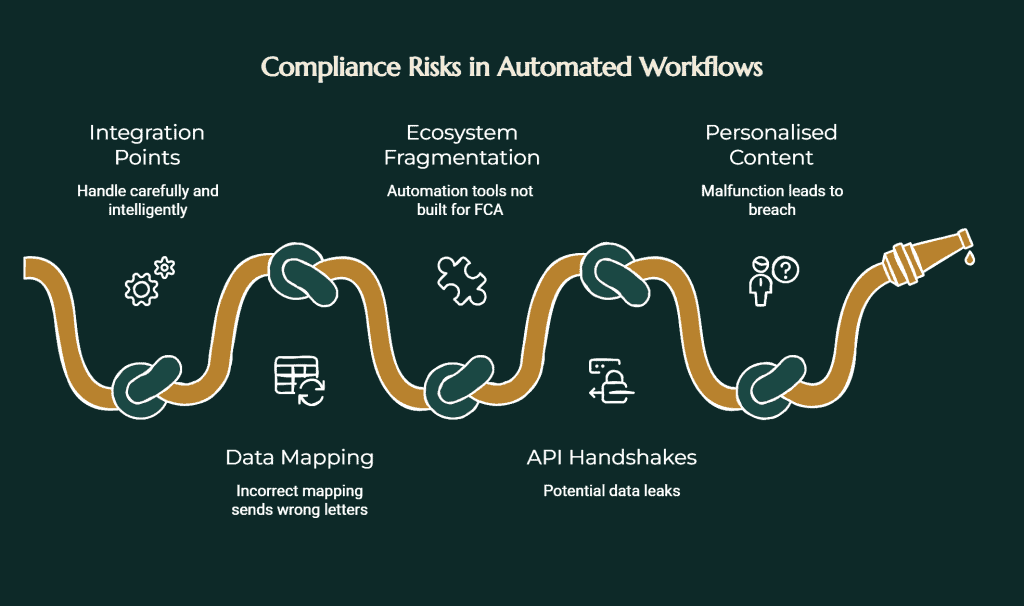
The biggest automation challenge in 2026 isn’t technical capability; it’s regulatory compliance. Every integration point between your CRM, email platform and content scheduler needs to be handled carefully and intelligently.
Your marketing CRM talks to your adviser CRM. Your email platform pulls from both. Your social scheduler needs brand-approved copy.
And somewhere in that chain, if a data field maps incorrectly you could send 400 clients the wrong suitability letter.
The fragmentation isn’t a bug. It’s the ecosystem.
Most automation tools weren’t built specifically for FCA-regulated environments. They assume you’re working on the “SaaS model” for tech innovation: i.e. move fast and break things. But you can’t.
Every integration point is a compliance risk. Every API handshake is a potential data leak. And if your marketing automation pulls client names into personalised content without proper segregation, you’re one workflow malfunction away from a reportable breach.
There’s little use spending £15k on slick automation only to switch it all off after your compliance officer sees how it actually works.
Strategic Solutions for a Balanced and Effective Automation Approach
Driving AUM Growth Through Automation: Strategies for Enhanced Personalisation
The winning approach in 2026 combines automation’s efficiency with human insight’s authenticity. You don’t need to choose between scale and personalisation. It’s about using one to enable the other more effectively.
The wealth management firms I work with aren’t choosing between automation and personalisation anymore. They’re using automation to create the space for deeper personalisation:
- Your CRM (Intelliflo, PlannerPal, whichever) triggers a quarterly portfolio review email automatically.
- The AI drafts it using your firm’s approved language and current market data.
- Before it sends, you spend 90 seconds adding a personal note about their daughter’s university fund or that conversation you had about Spain.
That’s the model. The machine handles the 80% that doesn’t require your heart. You handle the 20% that builds actual trust.
The result is more than mere efficiency. It’s clients who feel seen at scale, without you working evenings to make it happen.
The Future Landscape: Agentic AI and Sustainable Marketing ROI
Maximising Marketing Automation ROI for IFAs with Intelligent Solutions
The sustainable ROI model for 2026 combines agentic AI systems with strategic human oversight. This approach delivers consistent visibility across multiple touchpoints without the overhead of a full marketing team or the credibility risk of fully automated messaging.
In the coming years, the advisers winning the visibility game won’t be the ones with the biggest budgets. They’ll be the ones who cracked the ROI equation: maximum output without maximum overhead.
Agentic AI systems are getting smarter at research, drafting and scheduling. But clients still choose advisers based on trust, not word count.
The sustainable ROI model looks like this: AI handles the volume, you inject the expertise. You stay visible across the multiple brand touchpoints prospects need without burning five hours a week on content.
I’ve built systems that give solo IFAs the digital presence of a 20-person firm. The cost? A fraction of a £70k marketing team.
The question isn’t whether to automate your marketing. It’s whether your automation passes both the compliance test and the common sense test simultaneously.
Invitation
Want to see where your current marketing approach sits on the automation maturity scale?
Take the free Adviser Growth Score (3 minutes) to benchmark your systems against other advisory firms.
Or if you’re ready to explore what compliant, adviser-owned automation could look like for your practice, get in touch and I’ll show you exactly how the hybrid model can work in your own practice.
Frequently Asked Questions
What’s the biggest mistake advisers make with marketing automation in 2026?
Treating it as a replacement for personalisation rather than an enabler of it. The firms that struggle automate everything, including the human touches that build trust. The firms that succeed automate the routine 80% and use the time saved to personalise the critical 20%.
How do I ensure my marketing automation stays FCA-compliant?
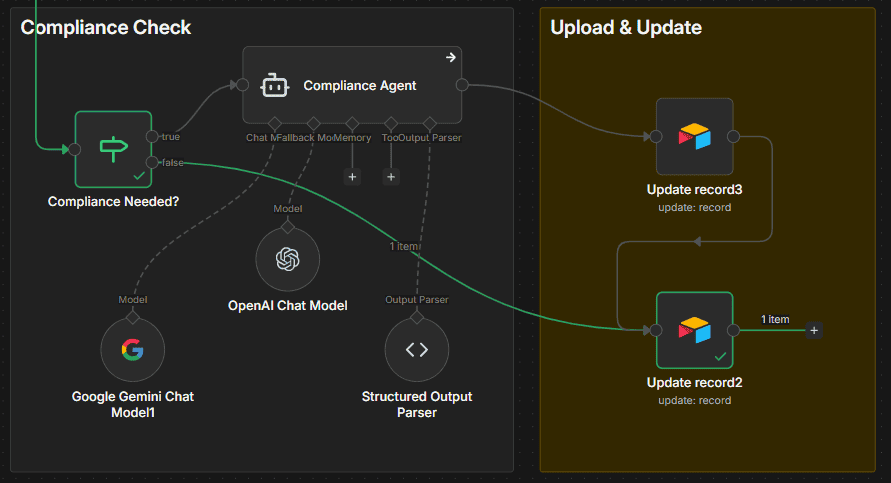
Build compliance checkpoints into every workflow. Never let automated content go out without a human review stage, especially if it pulls in client data or investment commentary. Your compliance officer should review and approve every template and sequence before it goes live, not after you’ve sent 400 emails.
Can marketing automation actually help smaller IFA firms compete with larger ones?
Absolutely, but only if you use it strategically. I’ve seen solo advisers use agentic AI and smart workflows to maintain consistent visibility across multiple platforms, something that would normally require a dedicated marketing person. The key is choosing tools that integrate cleanly with your existing systems and don’t create compliance headaches.
How much time should I expect to save with properly implemented automation?
Most advisers I work with reclaim 3-5 hours per week once their systems are dialled in. That’s not about doing less marketing, it’s about redirecting effort from repetitive tasks (scheduling, reformatting, basic drafting) to high-value activities (personal outreach, client conversations, strategic planning). The ROI shows up in both time saved and enquiries generated.

Philip Teale is a MCIM marketer with over 10 years’ experience working with financial advisors – helping them gain new revenue and clients using online channels and AI-powered workflows.